Tag: Monique Van Hinte

  • NEDERLANDS: The Million-Dollar Onion


    The first speculative trading bubble in history occurred from 1634 to 1637 in the Dutch Golden Age, in which the trading of tulip bulbs reached enormous heights, then precipitously collapsed.

    Charles Mackay, in The Madness of Crowds, recounts the anecdote of a sailor who mistook a particularly valuable bulb for an onion and ate it. According to Mackay, the sailor was found “eating a breakfast whose cost might have regaled a whole ship’s crew for a twelvemonth.”
  • NEDERLANDS: The Treaty of Breda

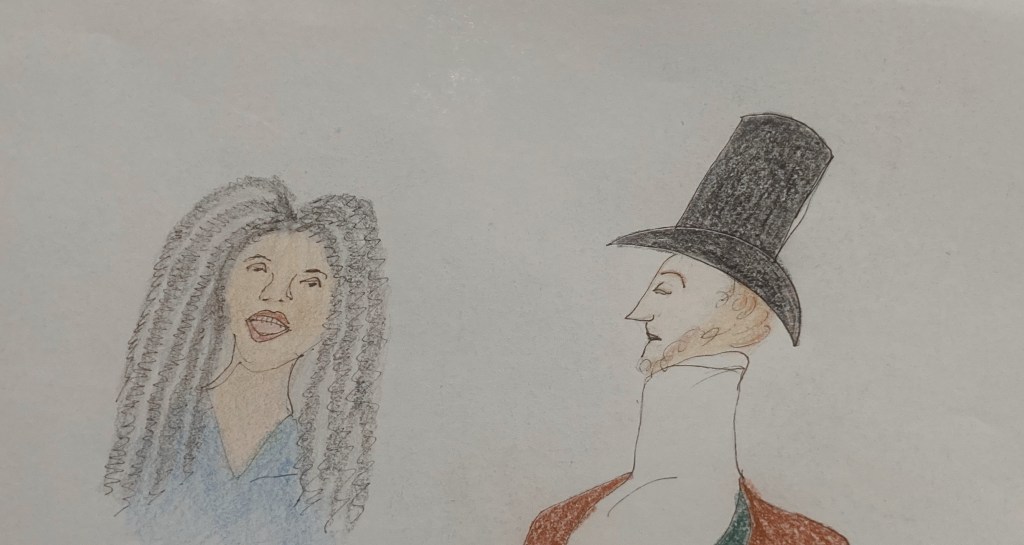
    In 1667, the Netherlands traded New York City for Suriname.

  • NEDERLANDS: The Salt Herring

    14th Century

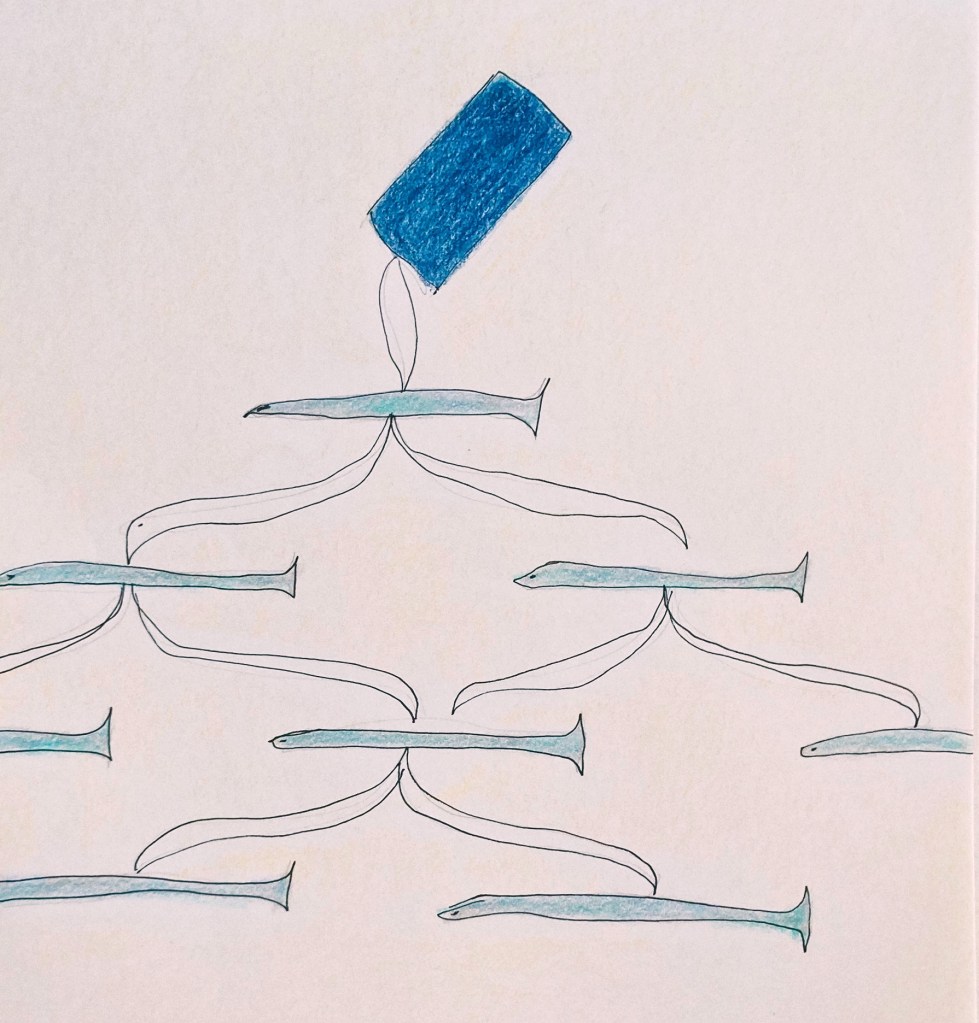
    Willem Beukelszoon discovered a method of preserving herring that involved gutting the fish but leaving part of the stomach and internal organs — “pyloric caecae” — intact. These organs would continue to emit an enzyme called trypsin, enabling the fish to be preserved in brine for up to two years. This method was superb in that vessels could pickle the herring at sea, enabling sailors to endure longer trading voyages. It was so pivotal a discovery that the Dutch came to dominate the salt herring trade for centuries, giving the Christians something to eat on Fridays and fast days. Even today, pickled herring eaten in a single gulp from head to tail is a celebrated dish in that nation.

    How fortunate it is that someone figured out how to put salt on a fish in a boat.

    This important event is celebrated in a church window. (Republic of Amsterdam Radio.)

  • NEDERLANDS: The Weaving Guilds

    Medieval Ghent saw fighting in the streets between the rival guilds of the weavers, who wove cloth, and the fullers, who finished it.